Introduction
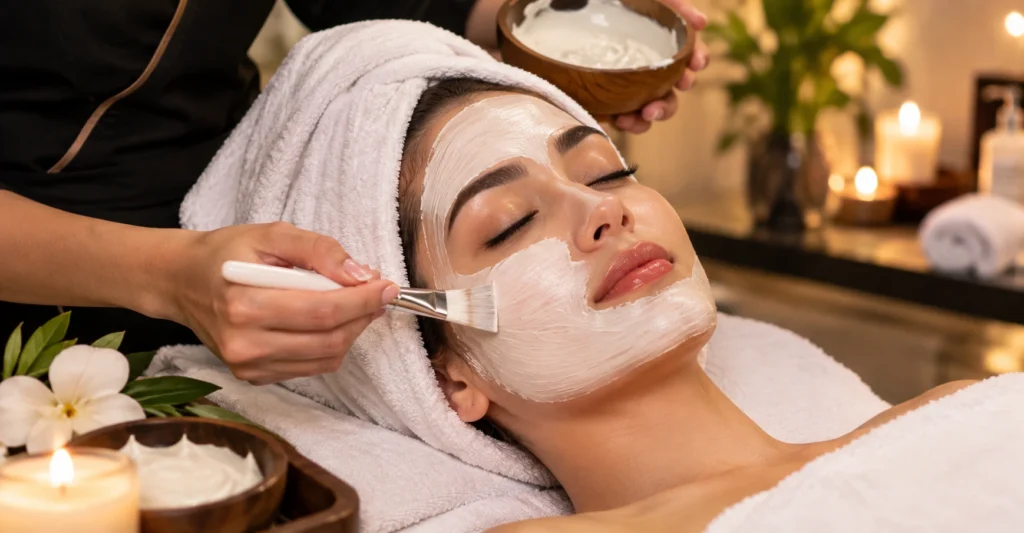
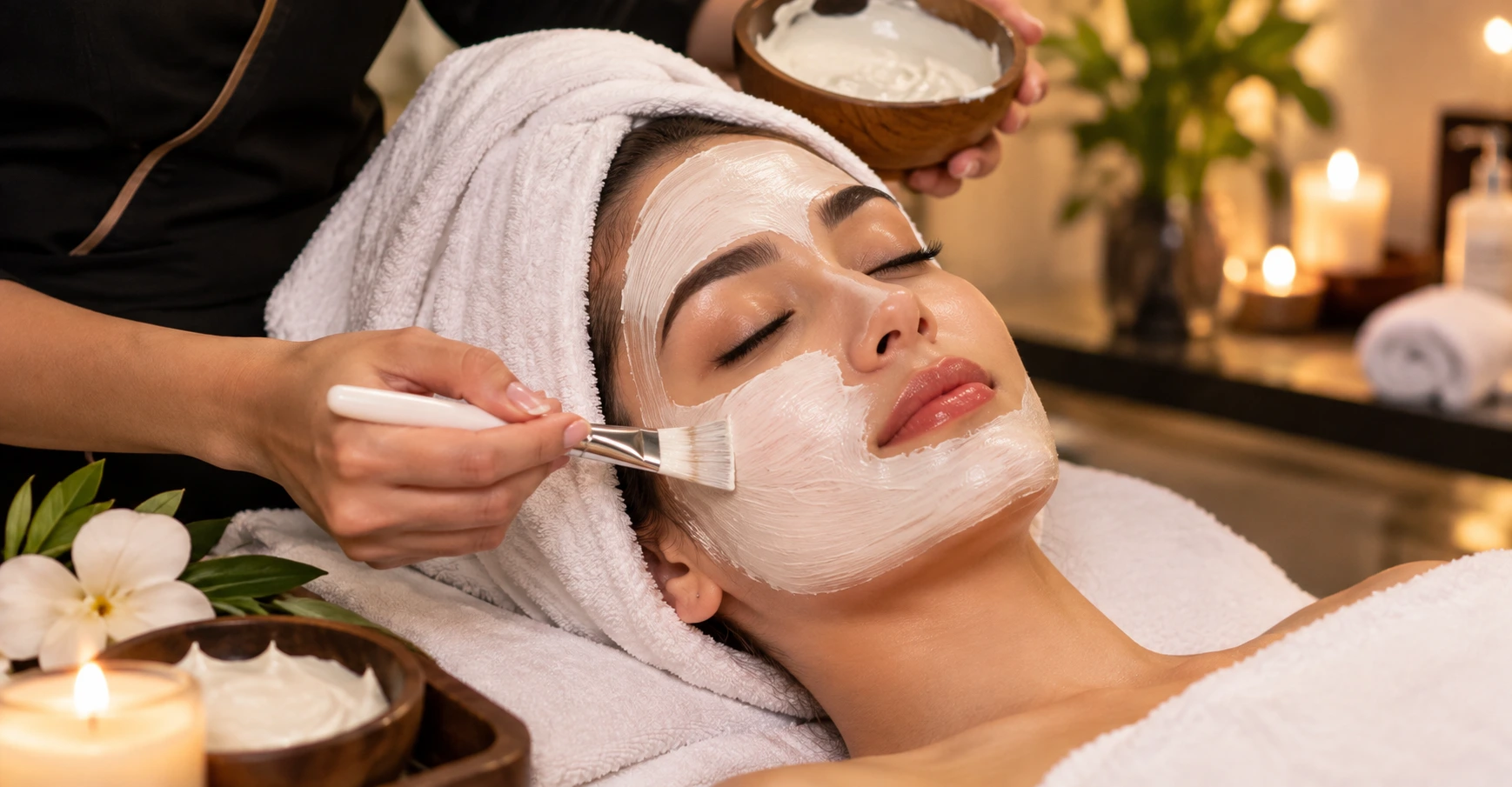
Professional facial treatments are an important part of many beauty and self-care routines. They offer an opportunity to cleanse the skin, enjoy professional care and select treatments according to individual preferences and skin needs.
With so many facial options available, choosing the right treatment can sometimes feel confusing. Hydrating facials, deep-cleansing treatments, exfoliating facials and relaxing facial massages all serve different purposes. Understanding these differences can help you make a more informed decision before visiting a salon.
At Mehreen Beauty Salon, clients can enquire about available facial services and discuss their preferences before selecting a treatment. The most suitable option depends on your skin condition, sensitivity, lifestyle and desired results.
What Is a Professional Facial Treatment?
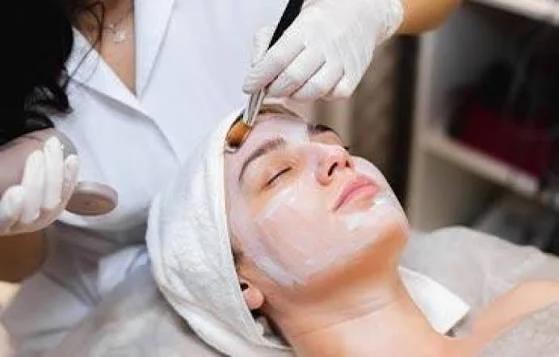
A professional facial is a beauty treatment that may include cleansing, exfoliation, masks, moisturising products and other techniques selected according to the service.
The exact steps depend on the type of facial and the products used. Some treatments focus on removing surface impurities, while others emphasise hydration, gentle exfoliation or relaxation.
A facial is not a replacement for medical dermatological treatment. If you have persistent acne, severe irritation, unexplained rashes or another ongoing skin concern, consult a qualified healthcare professional before trying specialised treatments.
Popular Types of Facial Treatments
Different facials are designed for different purposes. Understanding their general characteristics can help you decide which options to discuss with your beauty professional.
- Deep-Cleansing Facial: Focuses on cleansing the skin and removing surface oil and impurities. The methods used should be suitable for your skin type.
- Hydrating Facial: Emphasises moisturising products that help improve the feeling of dryness and leave the skin feeling comfortable.
- Exfoliating Facial: Uses suitable techniques or products to remove dead surface cells. The strength and frequency should be adjusted to avoid irritation.
- Soothing Facial: Uses gentle products intended to comfort skin that feels dry or sensitive. Ingredients should be selected carefully.
- Rejuvenating Facial: Often combines cleansing, moisturising and other cosmetic steps to create a refreshed appearance.
- Relaxation Facial: May include gentle facial massage and a calming treatment experience as part of a broader self-care routine.
For further information, read Cleveland Clinic’s Guide to Facials, which explains common facial procedures and their purposes.
How to Choose a Facial According to Your Skin Type
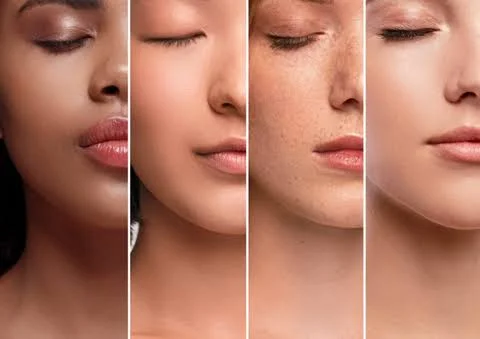
Your skin type and current condition are important considerations when selecting a facial. A treatment that suits one person may not be appropriate for another.
Dry Skin: A hydrating treatment with suitable moisturising products may help improve skin comfort and reduce the feeling of dryness.
Oily Skin: A gentle cleansing treatment may help remove excess surface oil. However, harsh scrubbing and excessive cleansing can irritate the skin.
Combination Skin: A balanced approach may be helpful when some areas of the face feel oily while others feel dry.
Sensitive Skin: Gentle products and minimal irritation should be priorities. Tell your beauty professional about previous reactions or known sensitivities before starting a treatment.
Normal Skin: A basic facial focused on cleansing, moisturising and general skin maintenance may be suitable, depending on individual preferences.
These categories are general guidelines. Skin conditions can change with weather, age, products and other factors, so your current skin needs should guide your choice.
Benefits of Regular Professional Facial Care
A suitable facial can provide several cosmetic and self-care benefits, although results vary according to the treatment and individual skin condition.
Improved Skin Comfort: Moisturising products may help relieve the feeling of dryness and leave skin feeling softer.
Removal of Surface Impurities: Cleansing helps remove dirt, excess oil and remaining makeup from the skin’s surface.
Gentle Exfoliation: Appropriate exfoliation can help remove dead surface cells and improve the feel of skin texture.
Personalised Product Selection: A professional consultation can help you understand which types of cosmetic products may suit your skin.
Relaxation and Self-Care: Taking time for a facial can provide a calming experience and an opportunity to enjoy personal care.
It is important to have realistic expectations. Facials do not permanently eliminate pores, stop ageing or guarantee the treatment of medical skin conditions.
What to Expect During a Salon Facial
A typical facial begins with a discussion about your skin type, preferences and any sensitivities. Your beauty professional may then cleanse the skin and select suitable products according to the treatment.
Depending on the facial, the session may include gentle exfoliation, a mask, moisturiser and other cosmetic steps. Not every facial includes the same procedures, and stronger treatments may require additional precautions.
Before your appointment, explain any allergies, recent skin treatments or products that have caused irritation. Ask questions if you are unsure about a product or procedure.
After your facial, follow the aftercare instructions provided. Avoid adding strong exfoliating products or unfamiliar skincare ingredients immediately if your skin feels sensitive.
Common Mistakes to Avoid When Choosing a Facial
Selecting a treatment simply because it is popular may not be the best approach. Your skin’s current needs should always come first.
- Ignoring Skin Sensitivity: Always mention known allergies, irritation or previous reactions.
- Choosing Aggressive Exfoliation: Excessive exfoliation can damage the skin barrier and cause discomfort.
- Expecting Instant Permanent Results: Most cosmetic facials provide temporary or gradual benefits rather than permanent changes.
- Trying Too Many Treatments Together: Combining multiple strong treatments can increase the risk of irritation.
- Ignoring Aftercare: Follow the recommended instructions and protect your skin from excessive sun exposure when appropriate.
- Using Unsuitable Products: Choose products according to your skin’s needs rather than relying only on advertising claims.
For general guidance, visit the American Academy of Dermatology’s Skin Care Resource.
Professional Facial Services at Mehreen Beauty Salon
Choosing a facial should begin with understanding what you want from the experience. Some clients prioritise hydration and comfort, while others prefer a cleansing-focused treatment or a relaxing beauty appointment.
At Mehreen Beauty Salon, you can enquire about available facial services and discuss your preferences before booking. Ask about the treatment steps, products used and any precautions relevant to your skin.
A thoughtful approach to facial care helps you select a service that fits your needs without expecting every treatment to produce identical results.
The Future of Professional Facial Treatments
Beauty services continue to offer more varied approaches to facial care, including treatments focused on hydration, gentle exfoliation and personalised product selection.
As people become more interested in understanding their skin, informed choices and realistic expectations remain important. A professional consultation, appropriate products and consistent home care can help support a practical beauty routine.
Ultimately, the best facial is one selected for your individual needs, with attention to comfort, hygiene and suitable aftercare.
Frequently Asked Questions (FAQs)
1. How often should I get a professional facial?
The ideal frequency depends on your skin type, treatment and individual needs. Ask your beauty professional for advice, particularly if you have sensitive or irritated skin.
2. Which facial is suitable for dry skin?
A hydrating facial may help improve skin comfort. Choose products suitable for your skin and discuss any sensitivities before treatment.
3. Are professional facials suitable for sensitive skin?
Some gentle facials may be suitable, but the products and techniques need careful selection. Inform your provider about allergies and previous reactions.
4. Can a facial treat acne?
A cosmetic facial may help cleanse the skin, but it is not a substitute for medical acne treatment. Consult a qualified dermatologist if acne persists or causes scarring.
5. What should I do after a facial?
Follow the aftercare instructions, use suitable moisturiser and sunscreen, and avoid aggressive exfoliation or unfamiliar products if your skin feels sensitive.